

For decades, the “Star Rating” was the gold standard of film criticism. A binary thumb-up or a reductive 3-out-of-5 served as the gatekeeper for Friday night box office success. But the landscape has shifted. In an era of infinite scrolls and algorithmic “98% matches,” the traditional review is dying – and being replaced by something far more personal.
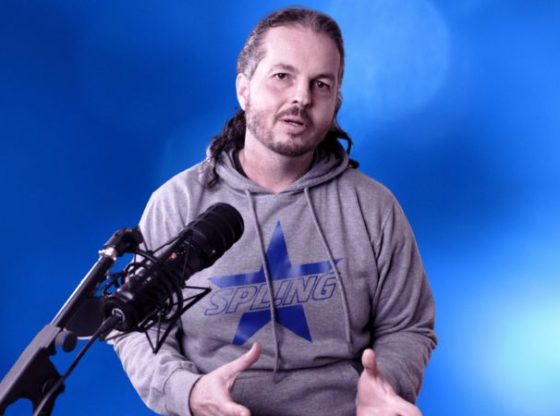
At the forefront of this evolution is Stephen “Spling” Aspeling, a man who has spent almost twenty years as the conscience and voice of South African cinema. His recent shift toward interactive, lifestyle-driven commentary offers a blueprint for the future of the craft.
1. The Death of the Decimal Point
We are currently experiencing “rating fatigue.” Audiences have realized that a 7.2/10 on a database doesn’t actually tell them if a movie will resonate with their specific mood on a rainy Tuesday night.
Spling’s recent work, particularly his “Ask Spling: Reel Talk & Real Life” series, moves “beyond the stars” to accessibility and interactivity. Instead of a cold autopsy of a film’s technical merits, the focus has shifted to contextual curation and getting a straight answer. Viewers are encouraged to pitch questions to Spling as well as answer the question being asked.
Critics are seen as purveyors of the final word but as the socio-political landscape shifts and the film industry technology marches on, it’s clear that some films don’t last the test of time. Re-evaluation is common as we reflect on these time capsules, making the concept of film more mercurial in today’s world.
2. The Critic as a “Consigliere”
As streaming platforms become cluttered graveyards of content, the critic’s role has evolved from a judge into a trusted guide.
The WKNDwatchlist: Spling’s pivot to curated “watchlist” content reflects a broader trend: the audience isn’t looking for a lecture; they’re looking for a recommendation from a friend who happens to have watched 5,000 movies.
Lifestyle Integration: Criticism is no longer an isolated academic exercise. It’s now intertwined with lifestyle – for instance, matching films to wine, travel or mental health.
3. The AI Wall: Why the “Human Voice” Wins
With the rise of generative AI in 2025 and 2026, anyone can prompt a bot to write a “professional-sounding” review. This has created a paradox: as AI reviews become more common, authentic human personality becomes more valuable.
“An AI can tell you that a film has a three-act structure and a blue colour palette,” Spling recently noted. “But it can’t tell you how a specific scene conjured up the nostalgia of a childhood summer holiday in East London. That connection can’t be faked by AI.”
The “Spling” brand – defined by the warm, conversational tone of his Talking Movies radio programme, which has continued into Ask Spling and the WKNDwatchlist. Known for his “erudite” yet accessible review style, Spling’s personal brand is a lot like having an in-depth film conversation with a friend. While the internet opened up the space to cater to give everyone a loudspeaker, it’s becoming clear that authentic trusted expert opinion needs to rise above the noise of an outlet’s advertorial dues or political stances to follow “voices” rather.
4. From Monologue to Dialogue
The future of criticism is no longer a one-way street. The “Spling” model thrives on interactivity. Through social-first video and interactive content, the “critic” has become a “community leader” with a loyal fan base.
ReviewMyScript: By offering script consultancy via reviewmyscript.com, Spling has moved his expertise upstream, helping to shape the very stories he would eventually review.
Interactive Media: The focus is now on Reel Talk – a conversation where the audience’s reaction is just as vital as the critic’s initial take.
The “Star Rating” isn’t going to vanish overnight, but it is being relegated to the footer of the page. The future belongs to those who can bridge the gap between the screen and the soul. As Spling celebrates over two decades in the industry, his trajectory proves that while movies may change from celluloid to digital to immersive VR, our need for a human to tell us “why this matters” remains constant.
The stars may be fading but the conversation is just beginning. You can find Spling’s WKNDwatchlist and Ask Spling shorts on his YouTube channel.