
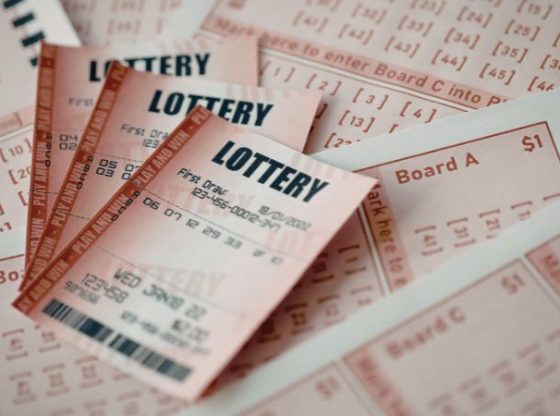

Most of us have a “lottery plan.” It usually involves a private island, a very polite resignation letter, and perhaps a gold-plated jet ski. In Hollywood, however, the lottery isn’t just a fantasy – it’s a narrative grenade.
Whether it’s a source of sudden joy or a cursed omen, winning numbers in movies serve as the ultimate “be careful what you wish for” trope. Here is a look at the cinematic history of the golden ticket, minus the spreadsheets.
The Hall of Fame: Famous Cinematic Digits
Movies love a specific string of digits. Sometimes they are random; other times, they are Easter eggs hidden by mischievous directors. These sequences have become more famous than the characters who played them.
The “Cursed” Sequence (4, 8, 15, 16, 23, 42): While most famously associated with the TV show Lost, these numbers actually appeared in the Sandra Bullock film 28 Days years earlier. In the world of cinema, these numbers are the ultimate red flag. If you see them on a screen, someone is about to have a very, very bad decade.
The “Million Dollar Tip” (6, 12, 16, 26, 31, 41): In the 1994 classic It Could Happen to You, Nicolas Cage plays a cop who doesn’t have enough for a tip and promises a waitress half of his lottery ticket instead. He wins $4 million, keeps his word, and proves that in Hollywood, being an honest millionaire is more fantastical than a superhero flying through a skyscraper.
The “Survival Sequence” (4, 32, 33, 42, 45, 21): In the 2010 film Lottery Ticket, these numbers net the protagonist a $370 million jackpot. However, they also turn his neighborhood into a tactical war zone. It’s a survival horror movie disguised as a comedy.
The “Monkey’s Paw” Effect
In cinema, winning the lottery is rarely about the money; it’s about the chaos. Writers use the “Big Win” as a shortcut to test a character’s morality.
The Burden of the Secret
In most lottery movies, the winning ticket is a ticking time bomb. The protagonist usually has to wait a few days to claim the prize- a weekend where every friend becomes a “frenemy” and every stranger becomes a stalker. It turns a dream into a high-stakes thriller where the villain is anyone with a pair of eyes and a sense of greed.
The Moral Compass
Movies like It Could Happen to You present the “Good Guy” scenario. The lottery is used to show us that a character’s heart is purer than 24-karat gold. Conversely, comedies like Bruce Almighty show the dark side of universal luck: when Bruce grants everyone’s prayer to win the lottery, everyone gets $17, leading to global riots. It’s a cynical reminder that when everyone is special, no one is.
Why Do We Keep Watching?
Why are we obsessed with watching people win fake money? It’s simple: The Lottery is the ultimate “What If?”
It’s the quickest way to strip a character down to their core. Put $50 million in a character’s pocket, and you’ll see who they really are within ten minutes of screentime. Do they become a villain? A philanthropist? Or do they just lose the ticket in a tragic laundry accident?
A Cinematic Warning: If you ever find yourself in a movie and you win the lottery, do not go to the dry cleaners. That ticket is 100% ending up in a heavy-duty wash cycle before the second act.
The Statistical Reality Check
In the real world, the odds of hitting a major jackpot are roughly 1 in 292 million. In movies, the odds are 1 in 1, provided it serves the plot.
Directors often use “balanced” looking numbers (a mix of high and low) because a sequence like 1, 2, 3, 4, 5, 6 looks “fake” to an audience, even though it has the exact same mathematical probability as any other combination. Movies teach us that while the numbers might be random, the consequences never are.
Whether it’s Nicolas Cage being charmingly honest or a deserted island being suspiciously magnetic, the lottery is rarely about the cash—it’s about the crash.