
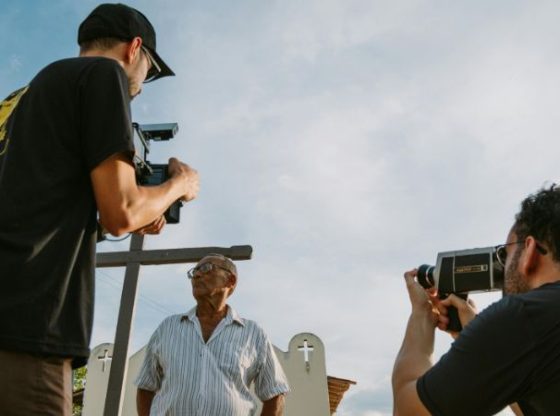

Let’s get real: waiting for the National Film and Video Foundation (NFVF) or a major production house to greenlight your script can feel like waiting for a taxi that’s never coming. If you’re a student filmmaker or a scrappy indie creator in South Africa, you don’t have a multi-million budget. You have a smartphone, a couple of dedicated chommies and a dream.
The good news? Some of the most visceral, authentic storytelling in modern cinema was born from pure desperation. Making a no-budget film in South Africa isn’t just possible – it’s an art form.
Here’s a practical, street-smart guide to hacking the local indie film landscape without spending a single cent.
1. Write for Your Reality (The R0 Script)
Before you ever yell “Action,” you need a script that doesn’t require a budget. If your script features a high-speed chase down the N1 or an alien invasion in the Karoo, throw it out.
To pull off guerrilla filmmaking, your script must adapt to what you already have access to.
The One-Location Thriller: Write a story that takes place entirely in your auntie’s lounge, a friend’s backyard or a single bedroom.
Minimal Cast: Every extra is another mouth to feed. Keep your characters down to two or three. Lean heavily on dialogue and tension rather than explosive set pieces.
Utilise Available Assets: Does your friend own a beat-up VW Golf? Great, your main character is now a struggling Uber driver. Work with what is already sitting in front of you.
2. Navigating Locations Without Getting Chased Away
In South Africa, official film permits can cost thousands, not to mention the logistical nightmare of dealing with municipal offices. If you’re shooting a student film in South Africa, you have to master the art of the “run-and-gun.”
Stealth Shooting in Public Spaces
If you’re shooting in public – like a market in Jozi or the Sea Point Promenade in Cape Town – you need to look completely inconspicuous.
Ditch the Rig: Big shoulder rigs, matte boxes, and giant boom poles scream “Professional Production” to Metro Police and private security. Keep your camera setup small. Use a mirrorless camera or a flagship smartphone on a compact gimbal.
Look Like Tourists: If anyone asks, you’re just shooting a travel vlog or a photography project for university.
No Weapons or Fake Blood: This is crucial. Pulling out a realistic prop gun or splashing fake blood in a South African public space is a fast track to a very real, very dangerous misunderstanding with armed response. Keep the heavy drama behind closed doors.
Guerrilla Golden Rule: If security or police tell you to pack up and leave, do not argue. Smile, apologise politely, and walk away. Your footage isn’t worth getting your gear confiscated.
3. The “Boerewors Roll” Economy: Cast and Crew
You can’t pay your team in Rands, so you have to pay them in respect, exposure and excellent food. This is what we call the Boerewors Roll Economy.
Recruiting the Team
Look for collaborative equity. Film students need portfolio pieces, and theatre students or community actors need showreel material.
Pitch the Vision: Be transparent that there’ s zero budget, but promise a highly professional environment and a completed, polished final product for their portfolios.
Keep Crews Skeletal: You do not need a Best Boy, a Key Grip, and a Continuity Supervisor. You need a Director/Writer, a Cinematographer (who pulls their own focus), and a Sound Recordist. That’s it.
Feeding the Crew
Never underfunded the catering. A hungry crew is a rebellious crew.
While you can’t afford a gourmet catering truck, you can fire up a braai. Providing decent meals – whether it’s boerewors rolls, a massive pot of potjiekos, or simply hot coffee and Vetkoek on a freezing morning – will keep morale high and buy you hours of dedication.
4. Gear Hacks: Making Cheap Look Cinematic
Audiences will forgive mediocre visuals, but they will never forgive terrible sound. If you are going to spend any tiny bit of pocket money, spend it on audio. Instead of chasing high-end industry standards, use these smart, low-budget alternatives:
The Camera: Swap expensive cinema cameras (like RED or ARRI) for a flagship smartphone or an entry-level mirrorless camera. With proper lighting and a cinematic log profile, modern phone footage looks incredible.
The Lighting: Forget heavy, power-hungry LED rigs. Use the South African sun and a cheap 5-in-1 reflector (or a white bedsheet) to bounce and soften harsh daylight. Natural light is completely free.
The Audio: Ditch expensive wireless boom setups. Instead, hide a budget-friendly wired lapel mic under an actor’s shirt, or use a portable handy recorder like a Zoom H1n. Clean dialogue is non-negotiable.
The Set Design: Don’t worry about renting studio space or building sets. Embrace real, practical local textures. Concrete walls, corrugated iron, or local flora give your film instant, gritty authenticity.
Embracing the Natural Environment
Let’s talk about the unique challenges of the South African grid. If you are relying on Eskom to keep your heavy studio lights on, you are playing Russian roulette with your shoot schedule.
By shooting guerrilla style – using the golden hour, natural window light, and portable, battery-powered LED panels – your production becomes completely self-sufficient and immune to unexpected power outages.
5. Post-Production and Distribution
Once the footage is in the bag, the real work begins. Luckily, the barrier to entry for post-production has completely collapsed.
Free Industry Software: You don’t need an expensive subscription. Use the free version of DaVinci Resolve for industry-standard editing and color grading.
Local Music: Don’t copyright-strike your own film by using international music tracks. Reach out to local, upcoming South African indie bands or SoundCloud artists. They are often thrilled to license their tracks to an indie film in exchange for credit and cross-promotion.
Getting Eyeballs on Your Film
Once it’s done, don’t let it sit on a hard drive. Submit your project to local platforms like the Durban International Film Festival (DIFF) or the Encounters Documentary Festival, which often have categories dedicated to micro-budget or student works. Alternatively, build an audience directly via YouTube, TikTok, or local streaming showcases.
Final Thoughts: Stop Waiting, Start Shooting
The biggest mistake independent filmmakers in South Africa make is waiting for permission to create. The landscape of independent South African cinema is changing, and the gatekeepers no longer hold all the keys.
Write a tight script, feed your friends some good food, keep your camera footprint small, and go make your movie. The only thing stopping you is the “Record” button.